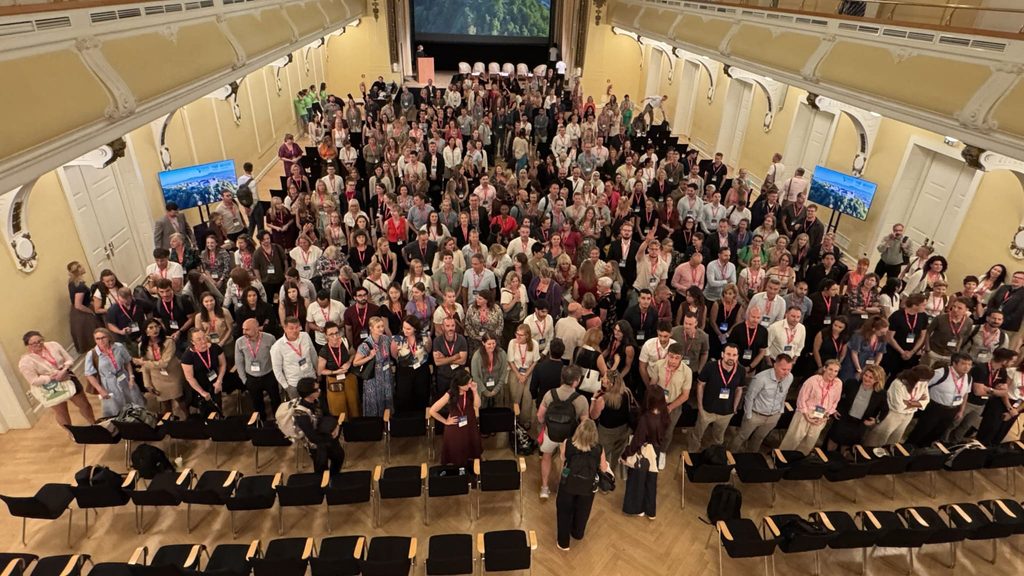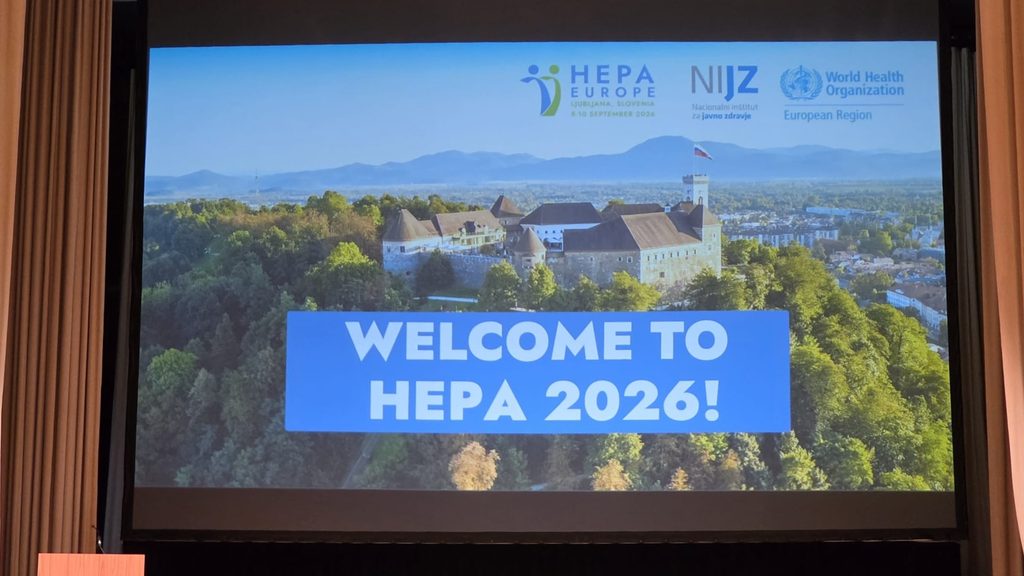
From 8 to 10 September 2026, the international HEPA Europe 2026 conference took place in Ljubljana, organized by the National Institute of Public Health of Slovenia (NIJZ). The Medical University of Silesia in Katowice also participated in the conference as part of the JA PreventNCD project. This year's edition focused on the role of green spaces and their impact on health and physical activity.
The conference brought together experts from across Europe to discuss how to create environments that support physical activity and health, as well as how to more effectively prevent non-communicable diseases.
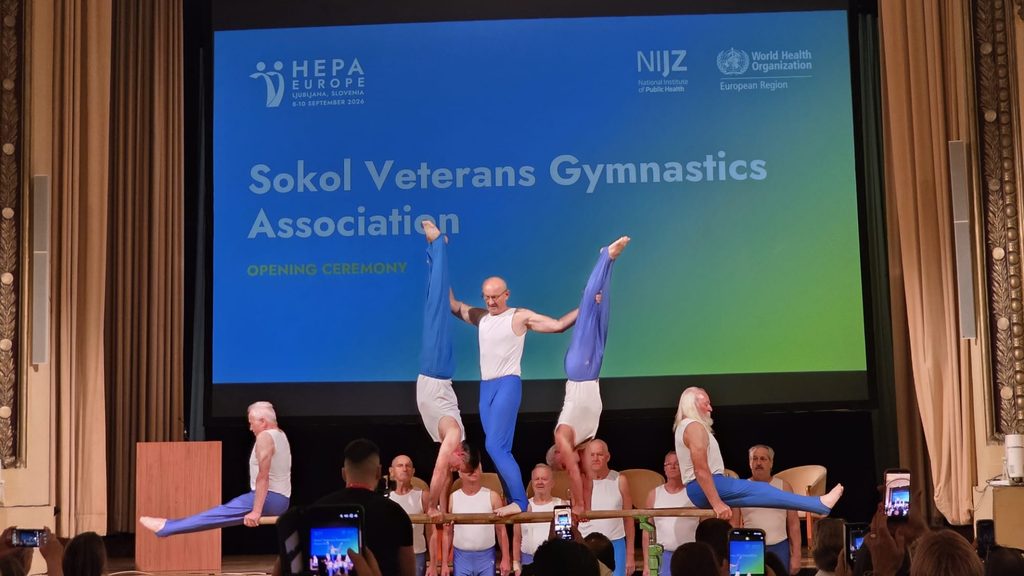
The conference opening featured a performance by the Sokol Veterans Gymnastics Association. This was followed by a presentation from Dr Kremlin Wickramasinghe, Regional Adviser for Nutrition, Physical Activity and Obesity at the WHO Regional Office for Europe. In his speech, he highlighted the scale of insufficient physical activity across Europe:
- 1 in 3 European adults does not meet the minimum recommendations for physical activity;
- more than 10,000 premature deaths each year could be prevented if Europeans achieved the recommended level of at least 150 minutes of physical activity per week;
- up to EUR 8 billion per year could be saved directly in European healthcare systems through increased levels of physical activity.
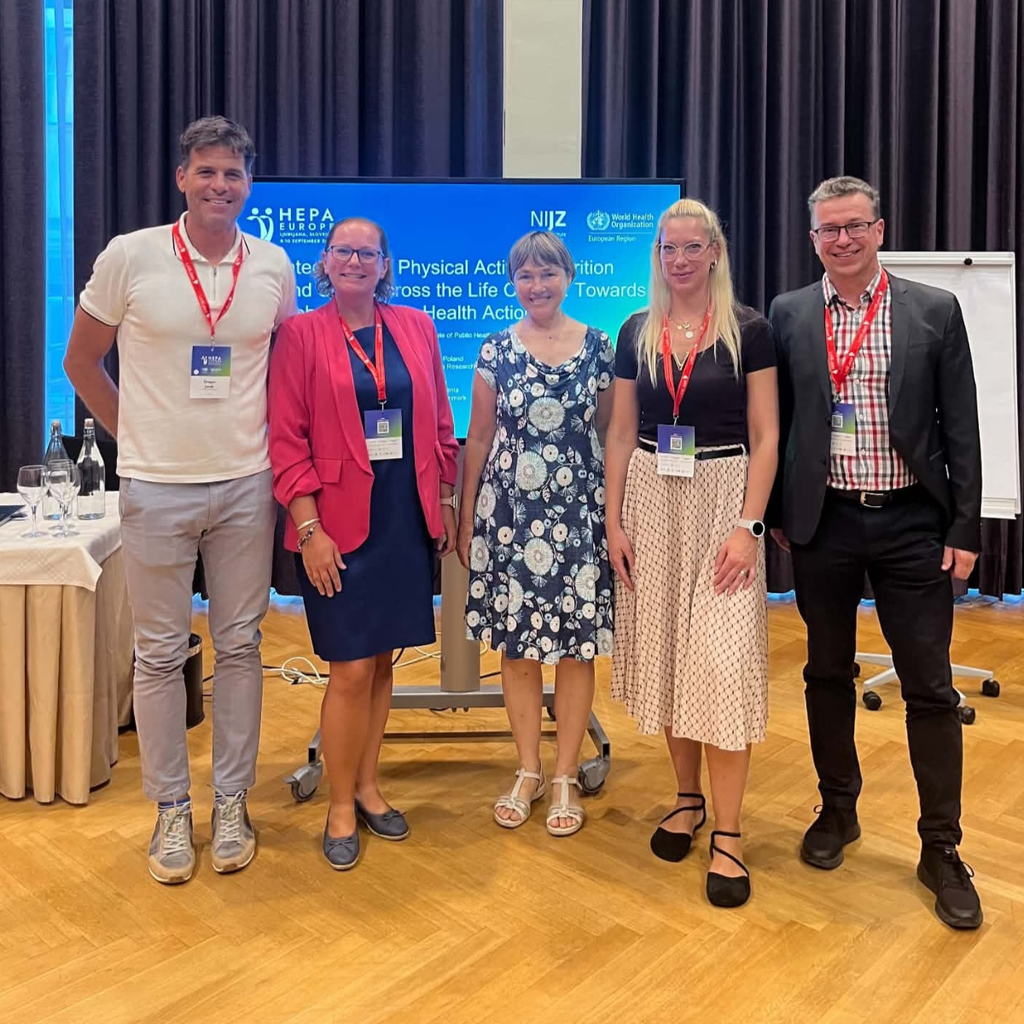
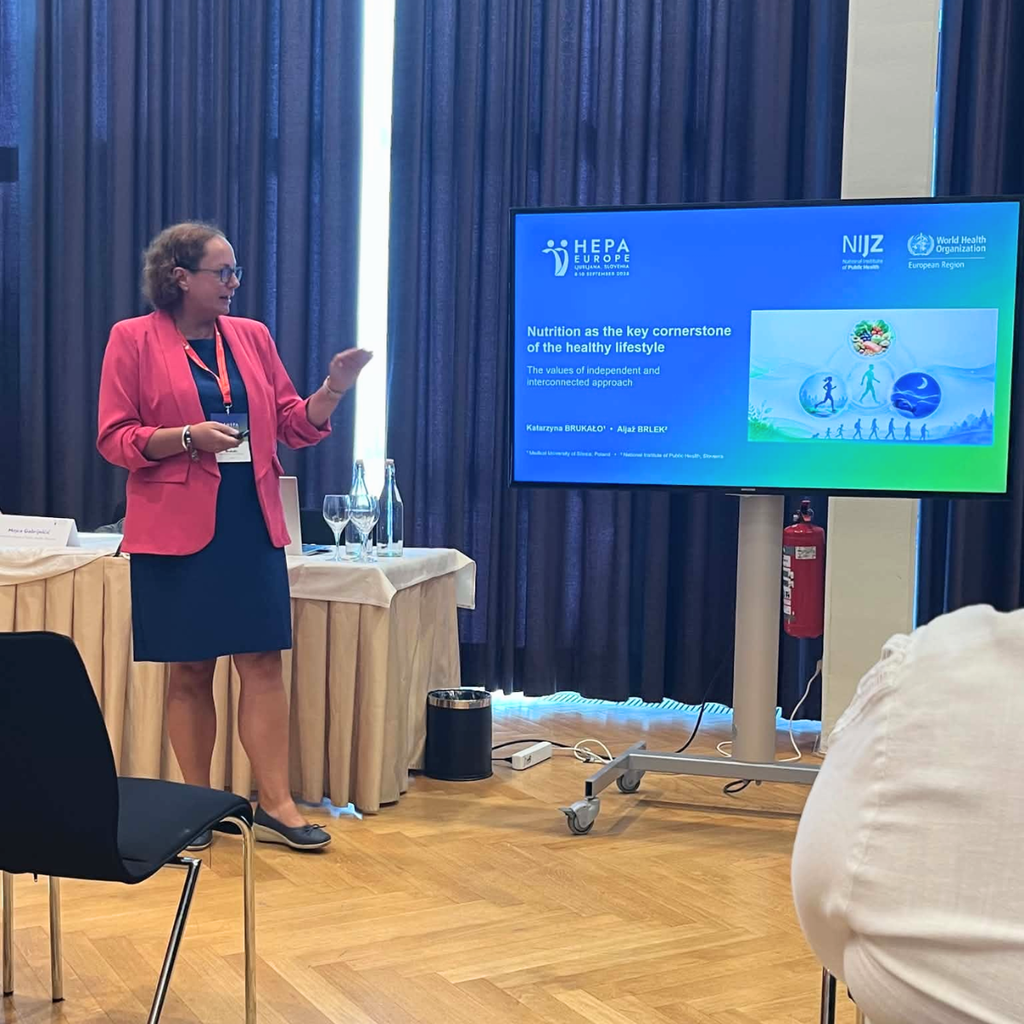
Katarzyna Brukało, PhD, Associate Professor at the Medical University of Silesia, also took part in the conference. During the symposium entitled “Integration of Physical Activity, Nutrition and Sleep Across the Life Course: Towards Coherent Public Health Action”, Professor Brukało delivered the opening presentation, entitled “Nutrition as the key cornerstone of the healthy lifestyle – the values of independent and of interconnected approach.”
In her presentation, Assoc. Prof. Katarzyna Brukało emphasized that nutrition is one of the key determinants of health, and that its importance extends far beyond individual knowledge, motivation, or food choices. She highlighted that dietary decisions are also influenced by the conditions in which they are made, including food prices, food availability, time, the food environment, schools, workplaces, healthcare systems, legal regulations, and public procurement policies.
This perspective was illustrated by three seemingly unrelated elements presented at the beginning of the presentation: a school bell, a price tag, and a public procurement document. Although none of these elements is food, each of them can influence what, how much, and when we eat.
This demonstrates that everyday dietary choices are not solely a matter of individual decision-making, but are strongly shaped by the broader social and systemic environment.
One of the key questions raised during the presentation was: “Before asking people to make healthier choices, ask who designed the choice.”
As the Nutrition Topic Coordinator within JA PreventNCD, Professor Brukało also presented the activities implemented under the project, structured around five complementary areas:
- Rules & Incentives – activities addressing the food system, including fiscal policies, nutrient profiling, product reformulation, food labelling, and marketing restrictions.
- Daily Food Environments – actions implemented in settings where daily dietary decisions are made, including schools, public food services, and healthy and sustainable public procurement.
- Communities & Equity – local initiatives and actions aimed at ensuring equitable access to healthy nutrition for all.
- Prevention Pathways – nutrition support across different stages of life and prevention settings, ranging from the first 1,000 days of life to interventions targeting individuals at increased risk of disease and patients.
- Monitoring & Evidence – monitoring health and nutrition status, developing indicators, evaluating implemented actions, and using scientific evidence to support the development of more effective health policies.
Improving population nutrition requires not only supporting individual choices, but also creating conditions that enable healthier decisions to be made. Better nutrition requires better systems.
This applies to public policies and regulations as well as to schools, workplaces, healthcare systems, local communities, and public procurement practices.
The HEPA Europe 2026 Conference demonstrated that effective prevention of non-communicable diseases requires a holistic approach to health, taking into account the interconnections between physical activity, nutrition, sleep, and the environments in which we live and work.